Net zero is the new BIM why is this important?
This was the question I asked ChatGPT-4 which is embedded into Microsoft’s Edge web browser.
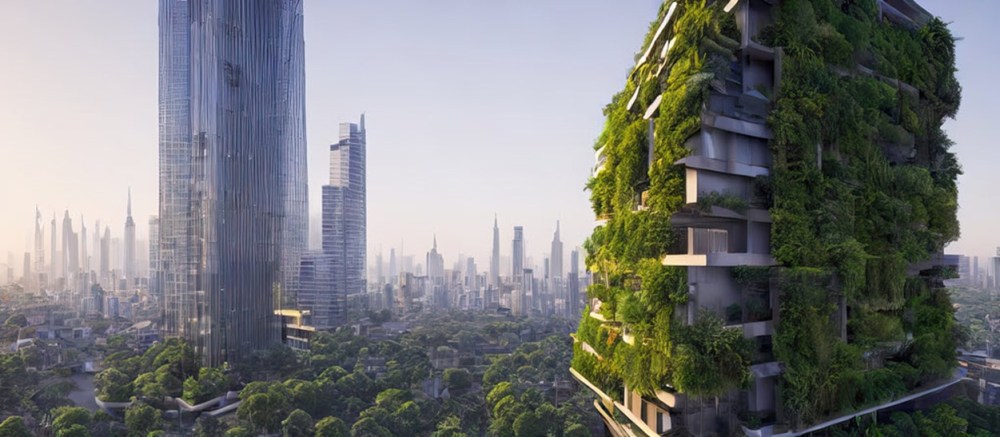
Net zero is the goal of reducing greenhouse gas emissions to zero by 2050, as agreed by the UK and many other countries. Achieving this ambitious target will require a radical transformation of the construction industry, which accounts for about a third of the UK’s carbon emissions and 59% of its total waste. Building Information Modelling (BIM) is a key enabler of this transformation, as it can help improve the design, construction and operation of buildings and infrastructure in a more sustainable way.
BIM is a process that involves creating a digital model of a building or infrastructure that includes all the necessary information about its design, construction and operation. BIM can be used to support various aspects of net zero, such as:
– Reducing embodied carbon: BIM can help optimize the use of materials and resources, minimizing waste and emissions. BIM can also facilitate the selection of low-carbon materials and products, as well as the reuse and recycling of existing materials.
– Reducing operational carbon: BIM can help improve the energy efficiency and performance of buildings and infrastructure, reducing their energy demand and carbon footprint. BIM can also enable the integration of renewable energy sources and smart technologies, such as sensors and controls, to optimize energy consumption and generation.
– Enhancing resilience and adaptation: BIM can help assess the risks and impacts of climate change on buildings and infrastructure, such as flooding, heat waves and storms. BIM can also support the design of solutions that enhance the resilience and adaptation of buildings and infrastructure to these challenges, such as green roofs, natural ventilation and flood barriers.
BIM can also enable the creation of digital twins, which are dynamic digital representations of physical assets that can be updated in real time with data from sensors and other sources. Digital twins can provide valuable insights into the performance, condition and environmental impact of buildings and infrastructure, enabling better decision making, maintenance and optimization.
BIM is not only a technical tool, but also a cultural change that requires collaboration and coordination among all stakeholders involved in the construction industry, from designers and contractors to owners and operators. BIM can foster a net zero mindset that encourages innovation, transparency and accountability in delivering sustainable outcomes.
Net zero is the new BIM because it represents a new paradigm for the construction industry that demands a more holistic, digital and collaborative approach to design, build and operate buildings and infrastructure. BIM is an essential tool to support this paradigm shift and help achieve net zero emissions by 2050.
 timAIKIN.com